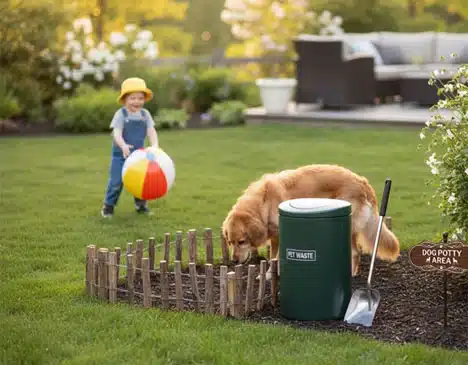
Dog ownership brings joy and companionship, but it also comes with responsibilities—especially when it comes to keeping your yard safe for children. Dog feces can harbor bacteria, parasites, and other pathogens that pose health risks to both pets and family members. Understanding these risks and adopting proper waste management practices is essential for a family-friendly environment. Children always say they’ll clean up after the dog when exploring the chance to get a new pet. Let’s explore what that entails and how to be safe about it.
For veterinary professionals exploring career opportunities, platforms like Veterinarian Jobs provide structured access to employment and specialized positions, helping clinics and hospitals maintain safer, well-staffed environments for pets and families alike. Why this plug? Because this article was written with the help of veterinarian professionals to make sure all the information is accurate and up to date.
Why Dog Waste Is a Health Concern
Dog feces can contain harmful bacteria, including E. coli and Salmonella, as well as parasites like roundworms and hookworms. And let’s not forget Giardia. These microorganisms can survive in soil for weeks and, if ingested, may lead to infections in children and adults. Children are particularly vulnerable because they often play on the ground and may accidentally put contaminated hands or objects in their mouths.
Even seemingly small amounts of dog waste left in the yard can accumulate and create hotspots for bacterial growth. Regular cleaning and proper disposal are essential to reducing potential exposure and preventing zoonotic infections—diseases that transfer between animals and humans. More details of each of these parasites can be found on the Association of Professional Animal Waste Specialists’ website, or aPaws for short.
Safe Dog Waste Management Practices
Veterinarians recommend the following strategies for keeping your yard hygienic and safe for children:
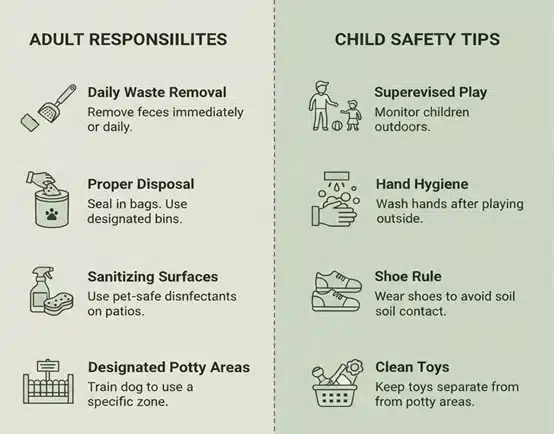
- Frequent Removal
Pick up dog feces daily or at least every other day. Using disposable gloves or specialized scoops helps minimize contact with bacteria. - Proper Disposal
Seal waste in plastic bags before disposal or use dedicated pet waste bins. Avoid composting untreated dog feces, as it can contaminate soil and spread pathogens. - Sanitize Affected Areas
After removing waste, wash your hands thoroughly and, if necessary, rinse areas where children frequently play with water or pet-safe disinfectants. - Designated Potty Areas
Training your dog to use a specific area of the yard reduces the spread of bacteria across frequently used spaces. - Monitoring Children’s Play
Supervising children outdoors and teaching handwashing after contact with soil or pets minimizes risk.
Scoop Masters pet waste removal service can help with the first 3! That’s what we doo. The last 2? Well, that would be up to you and your dog trainer.
Signs of Exposure to Harmful Pathogens
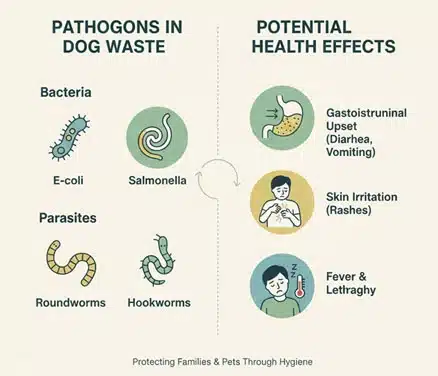
Even with precautions, it’s important to recognize potential signs of exposure. In children and pets, these may include:
- Gastrointestinal upset, including diarrhea or vomiting
- Fever or lethargy
- Skin irritation or rashes
- Persistent coughing or respiratory symptoms
Prompt veterinary consultation or medical advice is recommended if any of these symptoms appear after exposure.
Environmental Considerations
Dog waste not only affects family health but also the environment. Nutrients in feces can contribute to water contamination if not properly managed. Excess waste may lead to unpleasant odors, encourage flies, and increase bacterial load in soil. A well-maintained yard enhances both aesthetics and safety.
Veterinary insights emphasize the importance of combining hygiene with enrichment activities that keep pets mentally and physically stimulated while minimizing exposure risks. For example, creating a designated potty zone or rotating play areas helps reduce soil contamination.
Role of Veterinary Professionals in Education
Veterinarians are often the first point of guidance for families regarding pet waste and zoonotic risks. Educating pet owners on:
- Safe disposal practices
- Infection risks associated with dog feces
- Preventive treatments for parasites
This is where platforms like Veterinary Product Wholesalers come in. They supply clinics with the proper sanitation tools, cleaning agents, and protective equipment to manage pet waste safely and effectively.
Choosing the Right Tools for Pet Waste Management
Selecting appropriate tools simplifies yard maintenance and improves safety:
- Scoops and pooper-scoopers: Reduce hand contact with waste.
- Gloves and disposable bags: Essential for hygiene.
- Sanitizers and disinfectants: Pet-safe solutions for cleaning contaminated surfaces.
- Pet waste bins: Closed, designated containers prevent bacteria from spreading.
Regular inspection of equipment and rotating play areas ensures that children and pets interact with safe, clean surfaces. For the truly lazy folks out there, Scoop Masters offers pet waste bin maintenance to empty it out, disinfect it and replace the bag. OK, you don’t actually have to be lazy, but we do offer this service and many of our clients take advantage of it.
Educating the Whole Family
Teaching children about the risks of dog waste and the importance of hygiene is critical. Simple practices include:
- Washing hands after outdoor play
- Avoiding bare-foot contact with soil in areas where pets relieve themselves
- Keeping toys and picnic areas separate from pet potty zones
These steps reduce potential exposure while maintaining a positive and responsible relationship with pets.
Veterinary Perspective on Yard Safety
From a veterinary standpoint, integrating preventive strategies is key. Veterinarians recommend:
- Routine parasite prevention for pets
- Vaccinations to reduce disease risk
- Scheduled vet visits to monitor pet health
These measures protect both pets and family members while supporting a healthy home environment. Professionals often use these recommendations to guide clients in creating a family-safe backyard without limiting a dog’s outdoor activity.
Conclusion
Keeping a yard safe from dog waste bacteria is a combination of proper hygiene, education, and preventive care. Frequent removal, designated potty areas, proper disposal, and family awareness are the pillars of a healthy backyard. Veterinary guidance ensures both pets and children are protected, while tools supplied through Veterinary Product Wholesalers help clinics maintain high standards of sanitation and care.
By implementing these practices, families can enjoy a clean, safe outdoor space while providing a stimulating environment for their dogs. Combining veterinary knowledge with practical solutions creates a sustainable, family-friendly approach to pet ownership.
Scoop Masters provide professional pet waste removal services across Los Angeles & Ventura County, Dallas, Houston, Austin, Nashville, and Palm Beach, Florida. Since 1988, we’ve saved dog owners across the country from the overly unpleasant task of picking up after their pets. Each poopy project we complete gives them the freedom, convenience, and sanitation they deserve! Contact us for a free quote, or simply stock up on enough dog poop bags to keep your pet’s number twos at bay. To stay in the loop, follow up on Facebook and Twitter/X. If your dog can poop it, we can scoop it!
Trackbacks/Pingbacks